Feeding a big family for two whole weeks is a lot when groceries keep getting more expensive and everyone still expects actual meals on the table.
It’s easy to get stuck in that loop of planning, shopping, and hoping the food lasts longer than it usually does.
But this plan gives you a simple layout so you’re not scrambling every day!
You’ll have easy dinners, repeatable lunches, and a few budget tricks that don’t take extra effort.
It keeps things straightforward, uses ingredients that stretch, and helps you get through two full weeks without overspending or running back to the store every second day.
Week One
Week one leans on simple meals that don’t take a lot of planning.
You’re getting into a rhythm, using basics you already buy, and keeping things easy so you’re not exhausted by Wednesday.
Everything here mixes well with leftovers and pantry items, which helps stretch the budget without much extra work.
Breakfast
Start the week with breakfasts that fill everyone up and don’t drain your groceries too fast.
Rotate a few easy options so you’re not cooking from scratch every morning.
Most of these work well for reheating or quick assembly.
Easy options:
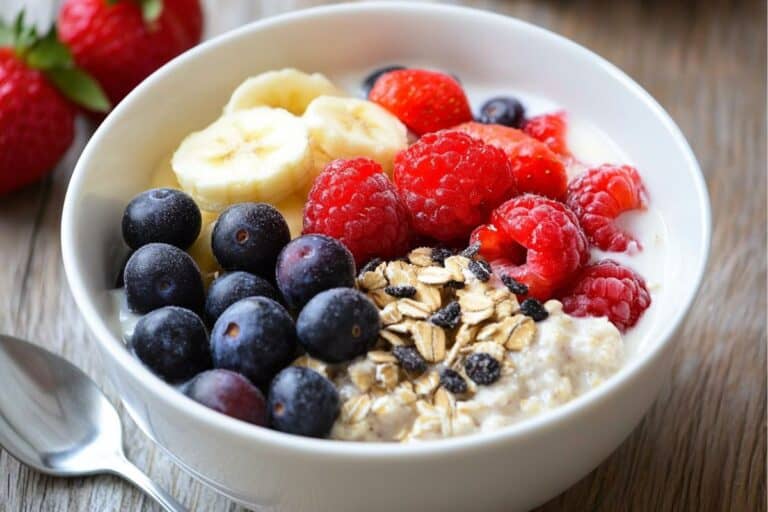
- Oatmeal with fruit
- Scrambled eggs and toast
- Yogurt with granola
- Peanut butter banana wraps
How to make it work:
- Cook a big batch of oatmeal and portion it for a couple of days.
- Keep bananas, apples, and frozen berries on hand for quick add ons.
- Use whatever bread or wraps you already have so nothing goes stale.
- Prep a small container of granola and yogurt for grab and go mornings.
Lunch
Lunches stay simple this week so you’re not cooking twice a day.
Think “easy to pack” or “use what’s left from last night.”
These meals stretch ingredients and keep you from running out halfway through the week.
Easy options:
- Turkey and cheese sandwiches
- Pasta salad with veggies
- Leftover casserole or chili
- Snack plates with crackers, fruit, and a protein
How to make it work:
- Cook extra dinner so you automatically have lunch portions.
- Use frozen veggies in pasta salad to keep costs low.
- Keep sandwich stuff stocked so you always have a backup.
- Build snack plates from whatever is already prepped in the fridge.
Dinner
Dinner is where you stretch ingredients the most in week one.
These meals rely on pantry staples, cheaper proteins, and things that create leftovers for lunches.
They’re simple, comforting, and easy to swap based on what you find on sale.
Easy options:
- Spaghetti with meat sauce
- Sheet pan chicken and potatoes
- Chili with garlic bread
- Tacos with beans mixed in to stretch the meat
How to make it work:
- Double the chili and freeze a portion if you can.
- Roast extra potatoes for breakfast or lunches.
- Cook a larger batch of taco meat for two meals.
- Keep canned tomatoes, pasta, and rice stocked so dinners come together fast.
Snacks
Snacks help keep everyone satisfied between meals without blowing through groceries.
Stick to cheap staples, homemade options, and things that can be portioned ahead to stop the free for all snacking.
Easy options:
- Popcorn
- Apple slices with peanut butter
- Crackers and cheese
- Homemade muffins
How to make it work:
- Portion snacks into small containers so they last longer.
- Keep apples and bananas in an easy to grab spot.
- Make a quick batch of muffins at the start of the week.
- Air pop popcorn for the cheapest big batch snack.
Week Two
Week two keeps things just as simple, but switches up a few meals so everyone doesn’t get tired of the same stuff.
You’ll reuse leftovers from earlier days, lean on pantry staples again, and bring in a couple of easy budget friendly recipes that carry you through the end of the plan.
Everything here is meant to feel doable, not overwhelming.
Breakfast
Stick with breakfasts that come together fast and don’t require anything fancy.
A few small changes in toppings or sides keep things from getting repetitive, and most of these can be prepped the night before if mornings are chaotic.
Easy options:
- Overnight oats
- Bagels with cream cheese
- Breakfast burritos
- Smoothies with frozen fruit
How to make it work:
- Prep jars of overnight oats with different toppings.
- Freeze bagels so they last the full week.
- Make a batch of burritos with eggs, cheese, and potatoes and warm them as needed.
- Keep frozen fruit on hand so smoothies stay budget friendly.
Lunch
Lunches stay low effort, using leftovers plus a few quick meals you can make in under ten minutes.
These options help stretch the groceries you already bought for week one, which keeps week two from getting expensive.
Easy options:
- Grilled cheese and tomato soup
- Leftover chili or taco meat
- Tuna salad sandwiches
- Veggie and hummus plates
How to make it work:
- Keep a couple cans of tomato soup and tuna in your pantry.
- Add rice to leftover taco meat to stretch it one more meal.
- Make grilled cheese on whatever bread is left from week one.
- Slice veggies in bulk so you can grab them quickly.
Dinner
Week two dinners use the same idea as week one: simple, filling meals that create leftovers when possible.
You’re relying on affordable ingredients and dishes that don’t take much time to prep after a long day.
Easy options:
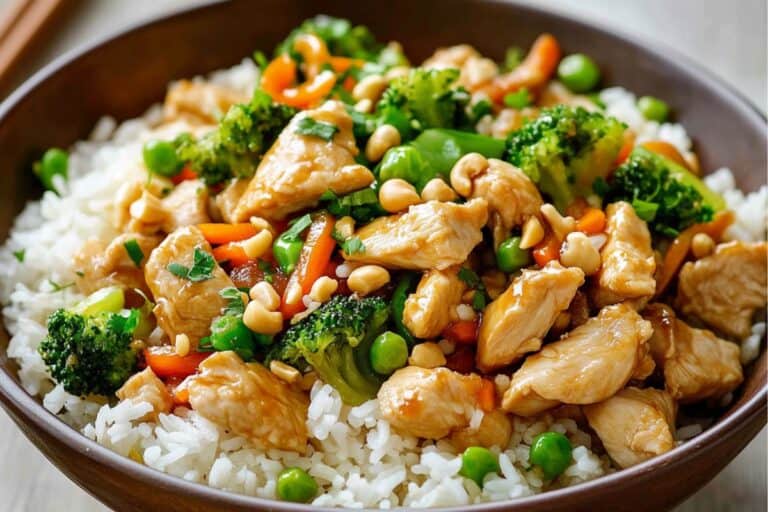
- Chicken stir fry with rice
- Baked ziti
- Slow cooker pulled pork
- Breakfast for dinner
How to make it work:
- Use frozen stir fry veggies to keep costs down.
- Make a big pan of baked ziti and eat it over two nights.
- Slow cooker pork shoulder can stretch for several meals.
- Breakfast for dinner clears out leftover eggs, potatoes, and veggies.
Snacks
Snacks stay basic and cheap this week, mostly using whatever you still have from week one plus a few simple add ons.
Keeping things portioned helps everything last until the end of the two week plan.
Easy options:
- Carrot sticks and ranch
- Fruit cups or fresh fruit
- Cheese sticks
- Popcorn or pretzels
How to make it work:
- Cut carrot sticks ahead of time and keep them in water in the fridge.
- Mix and match fruit so it doesn’t feel repetitive.
- Keep cheese sticks in a bottom drawer so kids can grab them easily.
- Alternate popcorn and pretzels to stretch each bag.
Budget Shopping List

Here’s a simple list that keeps two weeks affordable without leaving you short on meals.
It’s mostly basics that work in lots of recipes, plus a few fillers that stretch everything a bit further.
Pantry basics:
- Pasta
- Rice
- Canned tomatoes
- Canned beans
- Tomato soup
- Peanut butter
- Oats
Fridge and freezer:
- Eggs
- Yogurt
- Cheese
- Frozen veggies
- Frozen fruit
- Chicken thighs
- Ground beef or turkey
Fresh stuff:
- Potatoes
- Onions
- Apples
- Bananas
- Lettuce or mixed greens
- Carrots
Stocking these gives you the flexibility to swap meals around without another grocery run.
Most of the dinners, lunches, and breakfasts from both weeks pull from this list, so nothing sits around unused and you’re not tossing out food at the end of the plan.
Simple Swaps to Save More

These little changes help stretch your budget without changing your whole meal plan.
They’re easy to use as needed, especially if something runs out quicker than expected or you want to bump the grocery bill down a bit.
Protein swaps:
- Use beans in place of half the meat in tacos or chili
- Choose chicken thighs instead of chicken breasts
- Pick canned tuna for quick lunches
Meal stretchers:
- Add rice or pasta to increase portions
- Serve meals with bread or rolls
- Bulk up soups with extra veggies
Produce swaps:
- Grab frozen instead of fresh to save a few dollars
- Choose apples, bananas, or carrots for cheap snacks
- Use whatever veggies are on sale for pasta or stir fry
These swaps help you keep meals filling without feeling like you’re cutting corners everywhere.
They’re easy to slot into almost any recipe in both weeks!
Prep Tips That Make Two Weeks Easier

A little prep at the start of each week keeps things from getting overwhelming.
You don’t need a full Sunday meal prep session, just a few quick tasks that make breakfasts, lunches, and dinners come together faster.
Here are some quick things that help:
- Chop carrots, peppers, and onions so they’re ready for snacks and dinners
- Boil a batch of rice to use through the week
- Portion out snacks so they don’t disappear in one day
- Cook extra meat when you make tacos or chili
- Wash fruit and keep it in easy to grab containers
Doing these small things keeps you from scrambling every night.
It also helps your groceries last longer because you’ll know exactly what’s ready to use and what needs to be eaten first.
Two Weeks of Meals Without the Stress
This kind of plan takes a lot of pressure off your week because you’re not trying to figure out meals on the fly.
You’ve got simple breakfasts, easy lunches, and dinners that stretch without turning into a second job.
With a few swaps and some light prep, it all fits into a budget without leaving you short on food or energy!